
How Kitchen Appliance Maintenance Can Save You Money in the Long Run
January 6, 2026
A well-functioning kitchen is the heart of any home. From cooking family meals to entertaining guests, modern households rely heavily on appliances like refrigerators, ovens, dishwashers, and microwaves. These appliances are designed to make daily life convenient, but their efficiency and longevity depend on regular maintenance. Unfortunately, many homeowners overlook small issues until they escalate into costly repairs or even complete replacements. Understanding the importance of kitchen appliance upkeep can not only extend the lifespan of your appliances but also prevent unnecessary expenses.
Routine maintenance may seem like an extra chore, but it is an investment in long-term savings. Simple practices, such as cleaning coils, inspecting seals, or scheduling professional servicing, can dramatically reduce energy consumption, prevent breakdowns, and enhance overall performance. In today’s economic environment, where utility bills and repair costs continue to rise, adopting a proactive approach to appliance care has become essential. By learning how to maintain kitchen appliances effectively, homeowners can optimize efficiency, avoid unexpected disruptions, and ultimately protect their budgets.
1. Understanding Appliance Lifespan and Performance
The True Cost of Neglect
Many homeowners underestimate the hidden costs of ignoring appliance maintenance. A refrigerator with clogged condenser coils consumes more energy to maintain a cool temperature, leading to higher electricity bills. Similarly, a poorly maintained oven may cook unevenly, wasting ingredients and time. Over time, these inefficiencies can compound, resulting in higher operational costs and the need for premature replacements. Understanding how appliances degrade when neglected highlights why proactive care is not optional but financially prudent.
Factors Affecting Appliance Longevity
Appliance lifespan is influenced by usage frequency, environmental conditions, and maintenance routines. High-humidity kitchens can accelerate rusting on metal components, while heavy daily use can wear out motors and heating elements. By recognizing these factors, homeowners can adjust their maintenance schedules accordingly. Simple interventions, such as adjusting temperature settings or ensuring adequate ventilation, can prevent undue wear and tear, maintaining performance and saving money over time.
2. Refrigerator and Freezer Maintenance
Cleaning and Coil Care
The back of a refrigerator houses condenser coils, which play a crucial role in cooling efficiency. Dust, pet hair, and debris accumulation force the compressor to work harder, increasing energy consumption. Cleaning the coils at least twice a year ensures optimal airflow and reduces electricity costs. This small effort prevents costly compressor replacements and keeps food fresher for longer.
Seal Inspections
Door seals, or gaskets, maintain the internal temperature of refrigerators and freezers. A compromised seal allows cold air to escape, forcing the appliance to consume more power. Regular inspection and replacement of worn-out gaskets can save substantial money on energy bills. A simple test involves closing the door on a sheet of paper; if it slides out easily, the seal may need attention.
Temperature Management
Setting the appropriate temperature is another cost-saving strategy. Refrigerators should maintain 37–40°F, while freezers operate best at 0°F. Temperatures that are too low increase energy use, while higher temperatures risk food spoilage, leading to wasted groceries and additional costs. Using a thermometer for accuracy ensures efficient operation without unnecessary energy expenditure.
3. Oven and Stove Maintenance
Cleaning and Preventive Measures
Ovens and stovetops accumulate grease, spills, and food debris over time. Ignoring these deposits can result in poor heat distribution and uneven cooking. Regular cleaning not only maintains performance but also reduces fire hazards, saving money on potential repairs. Using non-abrasive cleaners and wiping spills promptly ensures longevity without damaging surfaces.
Calibration and Temperature Accuracy
Over time, ovens may lose calibration, causing cooking times and temperatures to vary. A misaligned thermostat can lead to overcooked or undercooked meals, wasting ingredients and electricity. Periodic professional calibration ensures accurate temperature control, reducing energy waste and maintaining consistent cooking results.
Burner and Element Checks
Gas and electric stovetops depend on clean, functional burners or heating elements. Clogged gas burners reduce efficiency, while damaged electric elements may lead to inconsistent heat and higher energy consumption. Regular inspection, cleaning, and replacement of worn elements prevent costly repairs and energy loss.
4. Dishwasher and Sink Appliance Care
Filter and Spray Arm Maintenance
Dishwashers rely on clean filters and unobstructed spray arms to remove food particles effectively. Neglecting these components can lead to poor cleaning results and increased water usage. Regular cleaning prevents clogs, ensures optimal water pressure, and reduces the need for detergent overuse, saving both water and cleaning supplies.
Plumbing and Leak Prevention
Leaking pipes or faulty seals not only waste water but can also damage flooring and cabinetry. Regular inspections for leaks and prompt repairs minimize the risk of extensive water damage, which can result in costly repairs. Ensuring that hoses and connections are secure maintains the appliance’s efficiency and protects your home investment.
Energy-Efficient Use
Running dishwashers only when full and using energy-saving modes conserves electricity and water. Proper loading techniques prevent overuse of detergent and reduce mechanical strain on the appliance. These habits, combined with routine maintenance, help homeowners save on utility bills while extending appliance life.
5. Microwave and Small Appliance Upkeep
Cleaning and Interior Care
Microwaves are prone to food splatters and residue buildup, which can cause uneven heating or damage internal components. Wiping the interior regularly and using microwave-safe covers prevent messes from accumulating. A clean appliance performs better, reduces the risk of malfunction, and avoids unnecessary repair expenses.
Turntable and Component Checks
Ensuring that the microwave turntable spins smoothly and checking other mechanical components can prevent motor strain. If the turntable or rollers are damaged, replacing them early is far cheaper than a full appliance replacement. Simple inspections and timely repairs enhance operational efficiency and extend lifespan.
Electrical Safety
Small appliances often face voltage fluctuations or overuse, leading to short circuits or permanent damage. Using surge protectors, avoiding overloading outlets, and periodically inspecting cords reduce the risk of costly repairs or replacements. These preventive measures are inexpensive yet highly effective in safeguarding kitchen technology.
6. Preventing Appliance Failures with Early Issue Detection
Spotting Minor Problems Before They Escalate
Minor issues such as unusual noises, water leaks, or inconsistent performance are often overlooked but can lead to major appliance failures if not addressed promptly. Early detection allows for simple repairs rather than costly replacements, saving both time and money.
Regular Performance Monitoring
Tracking appliance performance on a weekly or monthly basis can highlight gradual declines in efficiency. Monitoring energy usage, cooking times, and cooling consistency helps identify hidden problems before they become expensive repairs.
Using Checklists for Systematic Inspections
Creating a maintenance checklist for each appliance ensures that all key components—filters, seals, motors, and electrical connections—are reviewed consistently. This organized approach reduces the chance of missing small issues that could escalate.
7. Leveraging Technology for Smarter Appliance Maintenance
Smart Sensors and Monitoring Systems
Modern appliances often come equipped with sensors that detect malfunctions or inefficiencies. These sensors can monitor temperature, vibration, water flow, and electrical consumption, alerting homeowners to potential issues before they escalate.
Predictive Alerts for Preventive Action
Some smart systems offer predictive analytics, suggesting maintenance before a component fails. Early alerts allow homeowners to schedule service proactively, preventing costly downtime and extending appliance longevity.
Integration with Home Automation
Smart appliances can integrate with home automation systems, allowing remote monitoring and automated notifications for required maintenance. This connectivity ensures consistent care and reduces the risk of neglected tasks.
8. Best Practices for Long-Term Savings
Scheduling Professional Maintenance
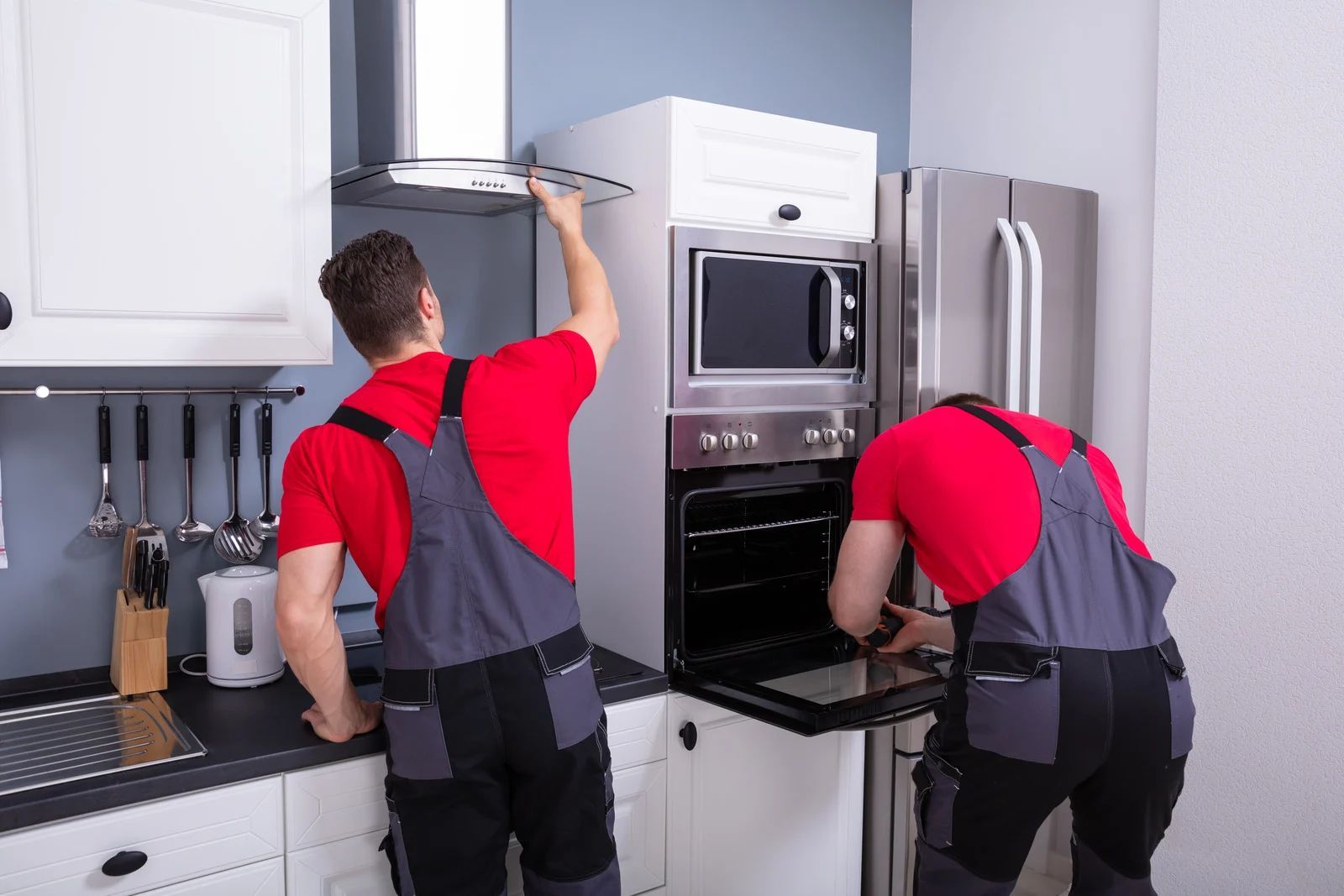
While homeowners can handle basic cleaning and inspections, professional servicing ensures that deeper mechanical and electrical components are addressed. Technicians can identify minor issues before they escalate, recalibrate thermostats, replace worn parts, and conduct energy efficiency checks. Investing in annual professional maintenance reduces the likelihood of major failures and extends the life of appliances.
Implementing a Routine Maintenance Schedule
Creating a structured schedule for all kitchen appliances promotes consistent upkeep. Monthly tasks can include cleaning surfaces and inspecting seals, quarterly tasks might involve coil cleaning and filter replacement, and annual tasks can involve professional servicing. Consistency is key to preventing unexpected breakdowns and avoiding emergency repair costs.
Energy Efficiency Considerations
Modern appliances are designed to be energy-efficient, but maintenance is critical to ensure optimal performance. Clean, well-maintained appliances consume less electricity, reducing monthly utility bills. Combining proper care with energy-saving habits, such as running dishwashers during off-peak hours or keeping fridge doors closed, maximizes financial benefits over time.
Proactive Maintenance Solutions to Avoid Costly Appliance Repairs
Regular kitchen appliance maintenance is more than a convenience; it is a strategic approach to long-term financial savings. From refrigerators and ovens to dishwashers and microwaves, each appliance benefits from routine inspections, cleaning, and professional servicing. Preventing energy inefficiency, reducing the risk of breakdowns, and maintaining optimal performance all contribute to lowering both operational and replacement costs. By investing time and resources in proper upkeep, homeowners protect their investments, ensure reliable functionality, and reduce the stress of unexpected repairs.
For homeowners in Anaheim, California, AT Appliance Service Inc.
offers unparalleled expertise in kitchen appliance maintenance. With 20
years of experience, our team provides professional inspections, cleaning, and repairs for all major kitchen appliances. We focus on proactive solutions that extend appliance lifespan, improve energy efficiency, and save clients money over time. Our trusted technicians combine technical knowledge with hands-on experience to deliver reliable, high-quality service. Choosing us ensures peace of mind, expert guidance, and long-term financial benefits, making us the go-to authority for kitchen appliance care in the region.