
DIY Kitchen Appliance Repairs: When They Work and When They Don’t
June 8, 2026
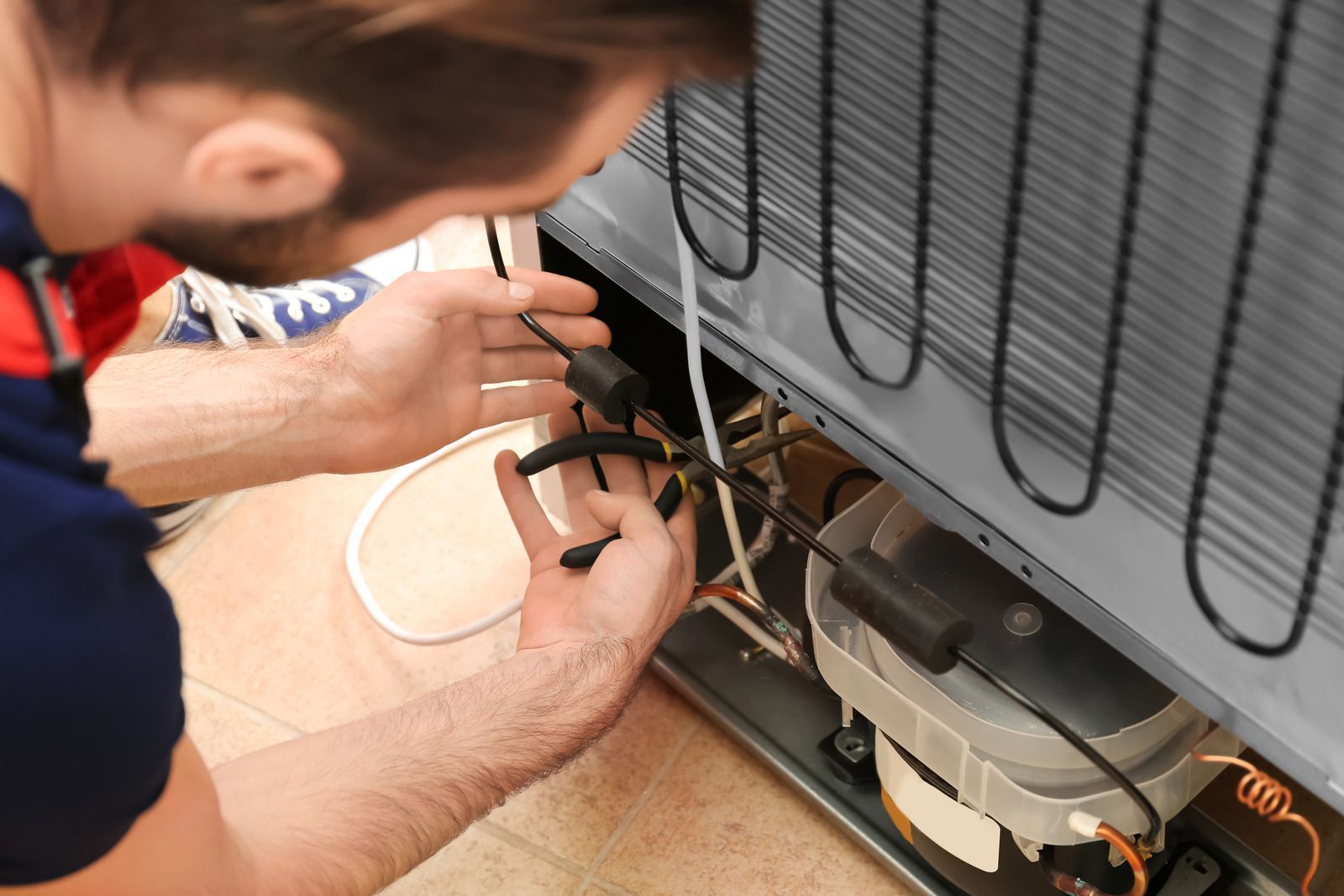
Kitchen appliances have become essential components of modern households, helping families prepare meals, store food safely, and maintain daily convenience. From refrigerators and ovens to dishwashers and microwaves, these appliances perform demanding tasks every day. When a problem arises, many homeowners immediately consider do-it-yourself repairs to avoid service costs and restore functionality quickly. The abundance of online tutorials, repair videos, and replacement parts has made DIY appliance repair more accessible than ever. However, accessibility does not always mean suitability. While some repairs are simple and safe for homeowners to handle, others involve electrical systems, gas connections, specialized tools, or technical knowledge that require professional attention.
Understanding when DIY kitchen appliance repairs make sense and when professional intervention is necessary can save time, money, and frustration. Attempting the wrong repair may worsen existing damage, create safety risks, or lead to costly replacements. On the other hand, knowing how to troubleshoot minor issues can help homeowners resolve common problems without unnecessary service calls. The key is recognizing the difference between manageable maintenance tasks and repairs that demand expert expertise. This guide explores where DIY repairs can provide value, where they fall short, and how homeowners can make informed decisions when kitchen appliances stop performing as expected.
Understanding the Appeal of DIY Appliance Repairs
Why Homeowners Choose DIY Solutions
The growing popularity of DIY appliance repair is driven by convenience, cost savings, and the availability of educational resources. Many homeowners appreciate the opportunity to address minor appliance issues without scheduling a service appointment or paying labor fees.
Simple repairs often appear straightforward. Replacing a refrigerator water filter, cleaning dishwasher spray arms, or installing a new microwave turntable motor can seem manageable with basic tools and clear instructions. For homeowners who enjoy hands-on projects, appliance troubleshooting offers a sense of accomplishment while potentially reducing expenses.
Another advantage is flexibility. DIY repairs allow homeowners to work according to their schedules instead of waiting for technician availability. In situations where appliance problems are minor, this approach can restore functionality more quickly.
Common DIY Repair Success Stories
Many kitchen appliance issues stem from routine wear, dirt accumulation, or simple component failures. Common examples include:
- Replacing refrigerator water filters
- Cleaning clogged dishwasher filters
- Changing oven light bulbs
- Replacing damaged refrigerator door seals
- Cleaning condenser coils
- Resetting tripped control systems
- Clearing minor drainage blockages
These repairs generally involve low-risk procedures that do not require advanced technical knowledge. When performed correctly, they can extend appliance lifespan and improve performance.
The Benefits of Learning Basic Maintenance
DIY knowledge is valuable even when professional repairs are eventually required. Understanding appliance maintenance helps homeowners identify warning signs early and prevent larger problems from developing.
Routine care often reduces breakdown frequency, improves energy efficiency, and helps appliances operate as intended for longer periods. Preventive maintenance can be one of the most effective ways to protect household investments.
Kitchen Appliance Repairs That Often Work as DIY Projects
Refrigerator Maintenance and Minor Repairs
Many refrigerator issues can be addressed safely without professional assistance. Dirty condenser coils, for example, force refrigerators to work harder and may reduce cooling performance. Cleaning coils periodically is a straightforward maintenance task that requires little more than a brush and vacuum.
Door gasket replacement is another common DIY repair. A damaged seal allows cold air to escape, increasing energy consumption and reducing efficiency. Replacing worn gaskets often restores proper operation without significant difficulty.
Water filter replacement also falls into the DIY category. Most manufacturers provide clear instructions, and the process typically requires minimal effort.
Dishwasher Troubleshooting
Dishwashers frequently experience performance issues caused by clogs, debris, or maintenance neglect. Homeowners can often resolve problems such as:
Cleaning Filters
Food particles can accumulate in dishwasher filters, reducing cleaning performance and causing drainage issues. Routine cleaning helps restore proper operation.
Inspecting Spray Arms
Blocked spray arm holes prevent water from reaching dishes properly. Removing and cleaning spray arms can often solve poor washing performance.
Checking Door Latches
A malfunctioning latch may prevent the dishwasher from starting. In some cases, simple adjustments or replacement parts restore functionality.
Microwave and Oven Maintenance
Several microwave and oven issues involve components that are designed for easy replacement.
Examples include:
- Interior light bulbs
- Oven racks
- Temperature sensors
- Turntables
- Control knobs
These repairs generally involve limited risk when proper safety procedures are followed and power is disconnected before work begins.
When DIY Repairs Become Risky
Electrical Hazards
One of the most significant risks associated with appliance repair involves electrical systems. Modern kitchen appliances contain complex wiring, electronic boards, capacitors, and high-voltage components.
Even when appliances are unplugged, certain components may retain electrical charges capable of causing injury. Microwaves are especially dangerous because high-voltage capacitors can store energy long after power is disconnected.
Attempting electrical repairs without proper training increases the likelihood of shock, fire hazards, and component damage.
Gas Appliance Concerns
Gas-powered appliances require particular caution. Ovens, cooktops, and ranges rely on fuel systems that must operate safely and precisely.
Potential Safety Risks
Improper repairs may lead to:
- Gas leaks
- Fire hazards
- Carbon monoxide exposure
- Ignition failures
Because gas-related issues involve serious safety concerns, professional diagnosis is generally the safest approach.
Regulatory Considerations
In many jurisdictions, gas appliance repairs must meet specific safety standards and building regulations. Professional service helps ensure compliance while protecting household safety.
Water and Plumbing-Related Risks
Dishwashers and refrigerators with water dispensers involve plumbing connections that can create significant damage if repaired incorrectly.
A minor leak may seem insignificant initially, but prolonged moisture exposure can result in:
- Mold growth
- Cabinet damage
- Flooring deterioration
- Structural concerns
Professional assessment often prevents small plumbing issues from becoming costly property repairs.
Signs That Professional Appliance Repair Is Necessary
Repeated Appliance Failures
When the same problem returns after multiple repair attempts, underlying causes may not be fully addressed. Replacing a visible component may temporarily resolve symptoms while deeper issues continue developing.
For example, a refrigerator that repeatedly loses cooling performance may have compressor, thermostat, or sealed-system problems beyond the scope of DIY repair.
Recurring failures often indicate the need for specialized diagnostic equipment and technical expertise.
Complex Electronic Problems
Modern appliances increasingly rely on sophisticated control boards, sensors, and software systems. Diagnosing these components requires more than visual inspection.
Error Codes and Diagnostic Systems
Many appliances display error codes intended for trained technicians. While manuals provide general guidance, accurate diagnosis frequently requires specialized tools and testing procedures.
Replacing parts without confirming the root cause can increase repair costs and prolong downtime.
Smart Appliance Technology
Connected appliances introduce additional layers of complexity. Wi-Fi systems, digital controls, and integrated sensors require advanced troubleshooting knowledge that extends beyond traditional repair methods.
Manufacturer Warranty Considerations
Attempting unauthorized repairs may affect warranty coverage. Many manufacturers specify approved repair procedures and authorized service requirements.
Before beginning any repair, homeowners should review warranty documentation carefully. A seemingly simple DIY repair could eliminate valuable protection for future issues.
Best Practices for Safe DIY Appliance Repairs
Start With Accurate Diagnosis
Many repair mistakes occur because symptoms are confused with root causes. A dishwasher that fails to drain, for example, may have several possible explanations ranging from a clogged filter to a failed pump.
Proper diagnosis should always come before purchasing replacement parts or disassembling components.
Follow Manufacturer Guidelines
Manufacturer documentation provides important information regarding safety, repair procedures, and maintenance requirements.
Homeowners should consult:
- User manuals
- Maintenance guides
- Approved troubleshooting resources
- Product safety notices
Following documented procedures reduces unnecessary risks and improves repair outcomes.
Use Proper Tools and Safety Equipment
Attempting repairs with improper tools often causes additional damage.
Recommended precautions include:
Disconnecting Power Sources
Always disconnect electrical power before beginning repairs. For gas appliances, shut off gas supply valves before inspection.
Wearing Protective Equipment
Safety glasses, gloves, and appropriate footwear help reduce injury risks during repair activities.
Keeping Work Areas Organized
Organized workspaces reduce the likelihood of misplaced components, accidental damage, and repair errors
Know When to Stop
One of the most important DIY skills is recognizing limitations. If repairs become increasingly complex, unexpected issues arise, or safety concerns emerge, professional assistance is often the most practical solution.
Stopping early can prevent additional damage and reduce overall repair costs.
Experienced Appliance Specialists Delivering Quality Repair Results
DIY kitchen appliance repairs can be valuable when addressing simple maintenance tasks, replacing easily accessible components, or resolving minor performance issues. Homeowners who understand basic troubleshooting principles often save time and money while improving appliance reliability. However, successful DIY repairs depend on accurate diagnosis, proper tools, safety awareness, and a clear understanding of personal limitations.
More complex repairs involving electrical systems, gas connections, water lines, electronic controls, or recurring failures frequently require professional expertise. Attempting advanced repairs without adequate training can create safety hazards, increase repair costs, and shorten appliance lifespan. The smartest approach is not choosing between DIY and professional service entirely but understanding where each option provides the greatest value.
For homeowners seeking dependable appliance repair solutions, AT Appliance Service Inc.
serves Anaheim, California, as a trusted appliance repair service provider with 20
years of industry experience. We understand the challenges homeowners face when appliances stop working and provide knowledgeable diagnostics, quality repairs, and dependable service for a wide range of kitchen appliances. Our experience allows us to identify problems accurately, recommend practical solutions, and help homeowners avoid unnecessary expenses. Whether a repair is simple or highly technical, we focus on restoring appliance performance while prioritizing safety, reliability, and long-term value. When kitchen appliance issues move beyond routine maintenance, our expertise helps ensure repairs are completed correctly and with confidence.