
DIY Laundry Repairs vs. Professional Service: What’s Safe and What’s Risky
May 5, 2026
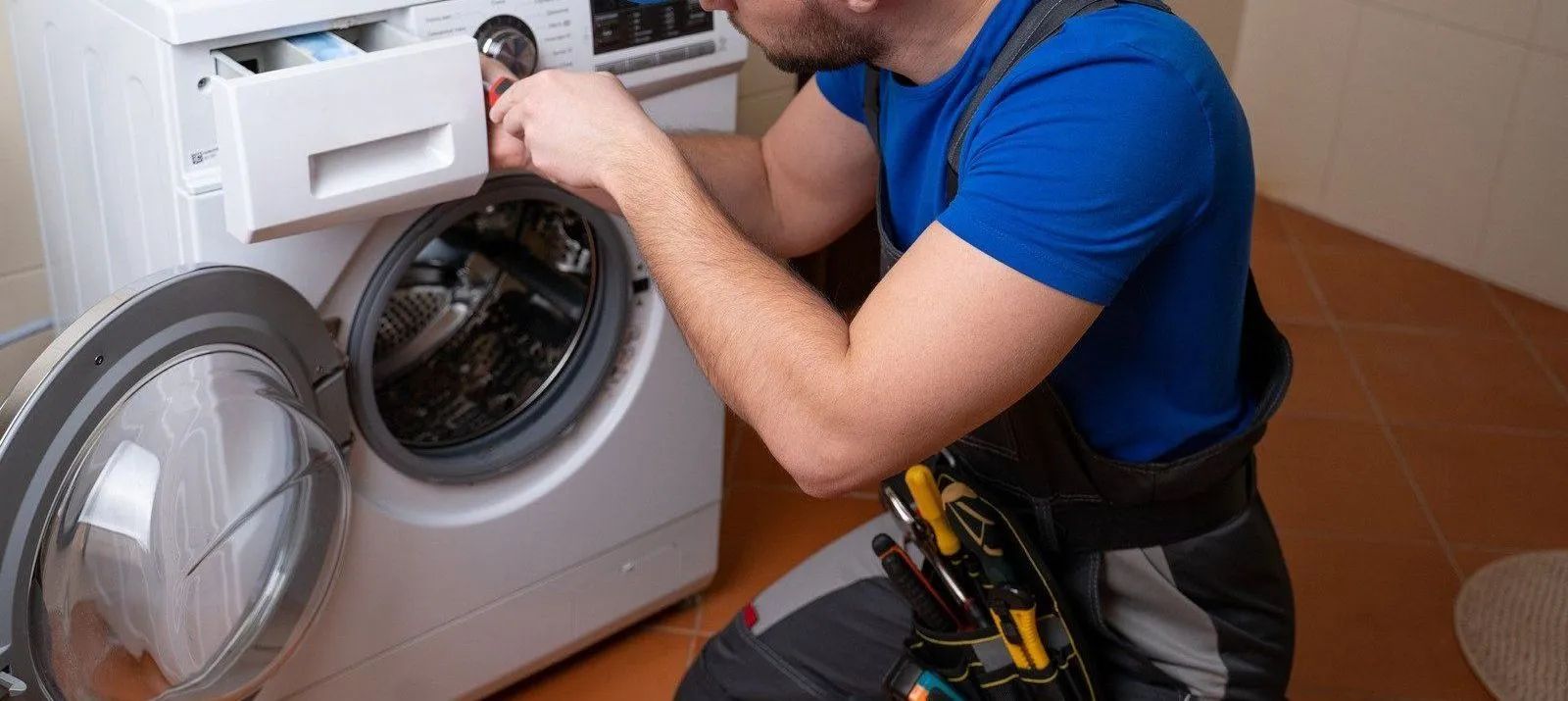
Laundry appliances are essential to modern households, saving hours of manual labor while keeping clothes clean and fresh. When a washer or dryer malfunctions, the urge to fix it quickly is strong, particularly when facing a full load of laundry or an upcoming busy week. Many homeowners consider tackling repairs themselves to save time and money. While some issues are minor and manageable, others can pose significant risks if handled without proper knowledge or tools. Understanding what repairs are safe to attempt at home and which require professional intervention is vital for maintaining appliance longevity and avoiding unnecessary hazards.
With appliances becoming more technologically advanced, repairs now involve intricate electronic components, delicate wiring, and precision parts that demand expertise. Attempting complex fixes without training can lead to further damage, void warranties, or even create safety hazards. This blog explores the nuances of DIY laundry repairs versus professional service, highlighting which tasks are suitable for homeowners, which carry risks, and how informed decisions can prevent costly mistakes while ensuring laundry appliances continue to operate efficiently for years to come.
Understanding Common Laundry Appliance Problems
Typical Washer Issues
Washing machines are prone to a variety of problems over time. Common issues include leaks, unusual noises, unbalanced loads, and drainage problems. Minor leaks often stem from loose hoses or clogged filters, which homeowners can sometimes address with basic tools. Unbalanced loads can usually be resolved by redistributing laundry evenly or adjusting leveling feet.
However, more complex issues, such as malfunctioning pumps, faulty motors, or electronic control failures, require technical knowledge. Opening the machine to access these components without expertise can risk electrical shocks or worsen the problem. Recognizing the difference between a manageable task and one needing professional attention is the first step in safe appliance maintenance.
Common Dryer Problems
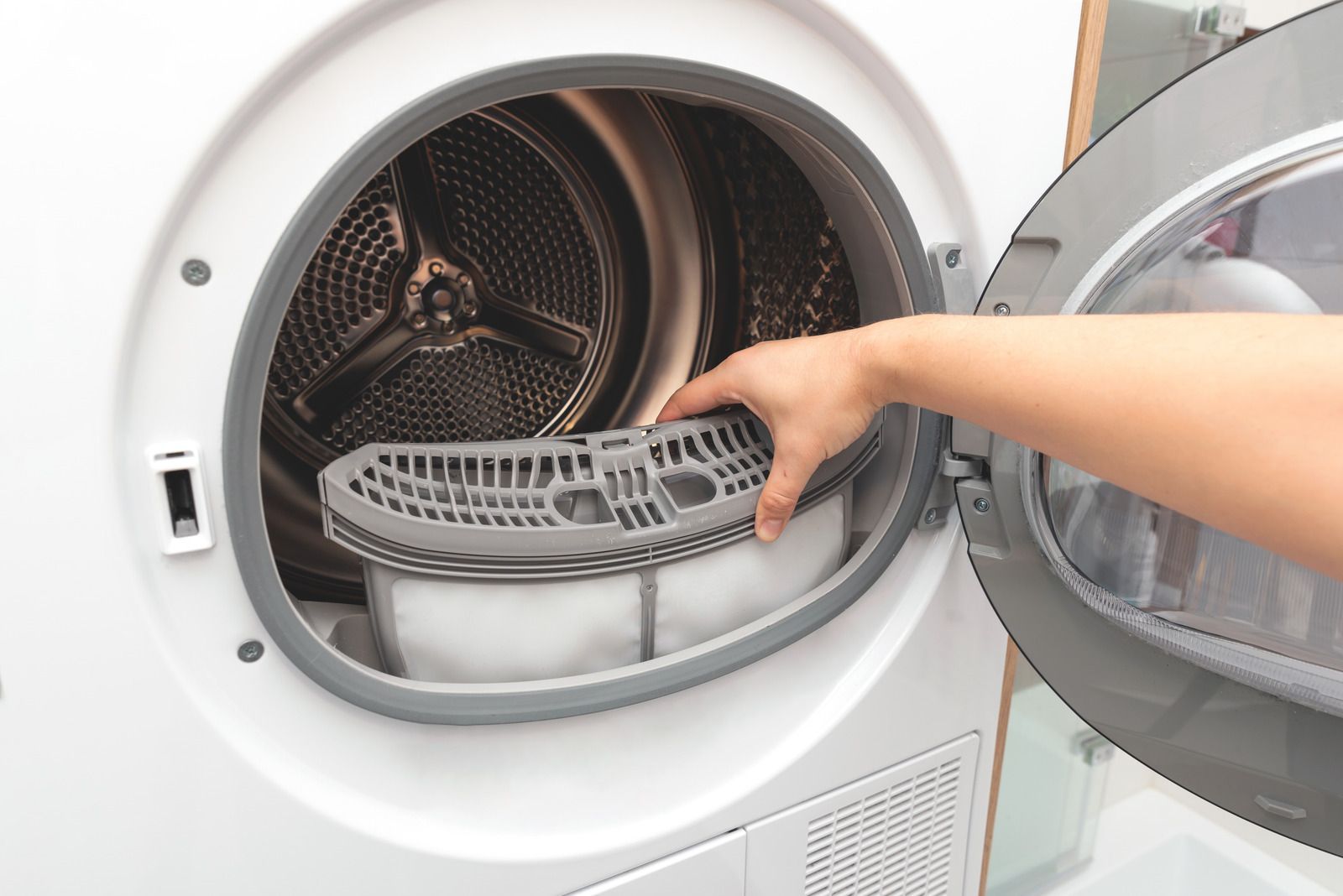
Dryers encounter their own set of challenges, including ineffective drying, lint accumulation, overheating, or drum malfunction. Regular cleaning of lint filters and venting systems is essential and safe to perform at home. This preventive step reduces fire hazards and enhances efficiency.
Issues such as defective heating elements, faulty thermostats, or electrical faults, however, are risky for DIY repairs. Attempting to replace these parts without proper knowledge can create fire hazards, risk of electrocution, or permanent damage to the appliance.
Safe DIY Repairs and Maintenance Tasks
Cleaning and Preventive Maintenance
Routine cleaning is one of the safest and most effective ways to maintain laundry appliances. For washers, cleaning detergent dispensers, filters, and rubber gaskets can prevent mold, clogs, and odor buildup.
For dryers, regularly cleaning the lint trap and vent system not only improves efficiency but also significantly reduces fire risks. Vacuuming accessible vents and checking for obstructions is safe for homeowners with basic tools. Regular maintenance extends appliance life and minimizes the frequency of costly repairs.
Minor Troubleshooting
Certain minor issues are suitable for DIY troubleshooting. Washer problems like small leaks caused by loose hose connections or clogged drains can often be resolved with basic tools. Dryers failing to start may simply require resetting circuit breakers or checking door latches.
These tasks involve minimal technical risk but demand careful attention to appliance manuals and safety guidelines. Accurate identification of the problem is crucial; misdiagnosis can turn a minor issue into a major repair. Documenting the steps and consulting manufacturer resources improves confidence and ensures safe handling.
Small Component Replacements
Some small component replacements, such as door seals, knobs, or simple hoses, can be attempted safely if proper instructions are followed. Most appliance manuals provide step-by-step guidance, and online tutorials from verified sources can complement this information.
Even in these cases, it’s important to disconnect appliances from power sources before beginning repairs. Using the correct tools and maintaining a clean, organized workspace reduces accidents. While these are generally safe DIY tasks, anything beyond basic components should be approached cautiously or left to professionals.
Repairs That Carry Significant Risk
Electrical and Electronic Failures
Modern laundry appliances increasingly rely on sophisticated electronic systems. Faulty control boards, motors, and wiring issues carry high risks for DIY intervention. Attempting to repair electrical failures without proper knowledge can result in electrocution or further damage to sensitive electronics.
For instance, a malfunctioning washing machine motor involves disassembling multiple components, handling electrical wiring, and calibrating systems upon reassembly. Even experienced DIYers may struggle without professional equipment, leading to expensive mistakes or safety hazards.
Mechanical Malfunctions
Certain mechanical issues in washers and dryers are unsafe for DIY attempts. Drum misalignments, bearing failures, or worn-out transmission parts require specialized tools and precise adjustments. Incorrect handling can cause structural damage, misalignment, or create unsafe operating conditions.
For dryers, replacing heating elements or thermostats involves working with high-voltage components. Without proper insulation, grounding, and calibration, the risk of fire or electrocution increases dramatically. These repairs are best handled by trained technicians with experience in appliance-specific systems.
Complex Leak and Water Damage Issues
Leaks that originate from internal pumps, valves, or sealed compartments are risky to handle at home. DIY attempts may lead to water exposure to electrical components, increasing the chance of short circuits or fire. In washers, persistent leaks often indicate failing seals or corrosion inside the drum housing, which are difficult to replace safely.
Professional service ensures proper diagnostics, part replacement, and testing. This prevents recurring issues and maintains appliance reliability, safeguarding both the machine and the home.
Benefits of Professional Appliance Repairs
Expertise and Specialized Tools
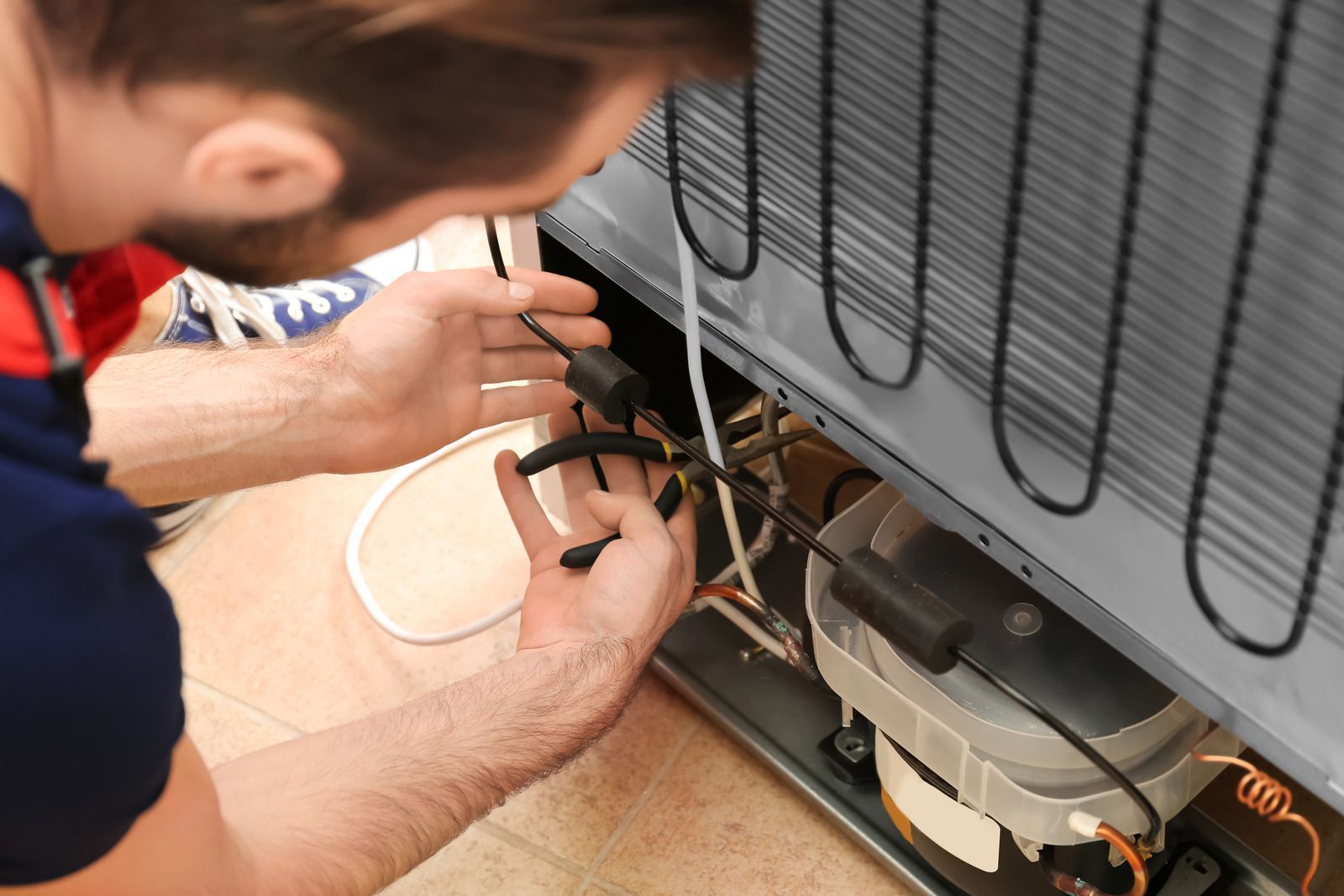
Professional technicians bring specialized knowledge and tools that homeowners typically lack. From multimeters and leak detectors to advanced diagnostic software, these tools enable precise identification and resolution of appliance problems.
Professional expertise also ensures repairs are completed efficiently, reducing downtime and minimizing the risk of secondary damage. Technicians understand the nuances of different appliance models, which prevents trial-and-error attempts that may void warranties or create further complications.
Safety Assurance
Safety is a critical advantage of professional repairs. Trained technicians follow strict safety protocols to prevent electrocution, fire, and structural damage. They are familiar with high-voltage circuits, moving parts, and water-electrical interactions, which are common hazards in washers and dryers.
By leaving complex repairs to professionals, homeowners eliminate the risks associated with improper handling. Safety extends not only to individuals performing repairs but also to household members and property integrity.
Warranty Preservation
Many appliances carry warranties that can be voided by unauthorized repairs. Professional service ensures compliance with manufacturer guidelines, preserving warranty coverage.
Attempting risky repairs at home may seem cost-effective initially, but a voided warranty can lead to significant expenses if a major failure occurs. Professionals provide documented service records that support warranty claims when needed.
Long-Term Appliance Longevity
Professional repairs not only solve immediate issues but also contribute to the long-term health of appliances. Technicians can identify underlying problems that may not be apparent, implement preventive solutions, and ensure correct part installation.
This proactive approach reduces the frequency of breakdowns, improves efficiency, and ultimately extends the life of washers and dryers. Investing in expert repairs often proves more economical over time than repeated DIY fixes.
Best Practices for Deciding Between DIY and Professional Service
Assessing Skill Level and Knowledge
Homeowners should evaluate their technical skills, understanding of appliance systems, and comfort with tools before attempting repairs. Minor issues like cleaning filters or adjusting leveling feet are manageable for most, but electrical and mechanical failures require advanced knowledge.
Being honest about skill level prevents unnecessary risks. When in doubt, prioritizing safety over convenience ensures the appliance is repaired correctly and safely.
Understanding the Risk Factor
Identifying potential hazards is key to making an informed decision. High-risk tasks include electrical repairs, mechanical disassembly, and internal water system replacements. Low-risk tasks typically involve surface cleaning, minor adjustments, or component replacements with clear guidance.
Considering the consequences of mistakes helps determine whether DIY repair is appropriate. Even confident DIYers benefit from a cautious approach that prevents accidents and additional costs.
Leveraging Reliable Resources
When opting for DIY, rely on verified sources for guidance. Manufacturer manuals, certified tutorials, and reputable appliance forums provide accurate instructions. Avoid relying solely on anecdotal advice, which may lead to improper repairs.
Documenting each step, following safety procedures, and using recommended tools enhances the chances of success and minimizes potential hazards. Combining careful research with realistic skill assessment ensures safer DIY repairs.
Knowing When to Call Experts
Some situations clearly warrant professional intervention. Persistent leaks, unusual noises, failure to operate, or electronic malfunctions are beyond basic DIY capabilities. Recognizing these warning signs prevents worsening the problem and safeguards household safety.
Scheduling professional service promptly ensures accurate diagnosis, proper repair, and long-term reliability. Timely intervention minimizes downtime and avoids costly damage caused by delayed or improper DIY attempts.
Expert Guidance on Maintaining Your Laundry Appliances
DIY repairs can be an effective way to handle minor laundry appliance issues, such as cleaning lint filters, tightening hoses, or adjusting machine levels. These tasks are generally low-risk and can improve efficiency while preventing small problems from escalating. However, electrical failures, mechanical malfunctions, and complex water leaks carry significant hazards that require professional expertise. Ultimately, distinguishing between safe DIY maintenance and repairs best left to professionals protects both the appliance and household safety.
At AT Appliance Service Inc., more than 20
years of experience ensures reliable,
expert laundry appliance repairs. Based in Anaheim, California, our service emphasizes safety, precision, and long-term performance. From routine maintenance to complex electrical and mechanical issues, every repair is handled with professionalism and care. Trust in our expertise to extend the life of washers and dryers while safeguarding your home. With a commitment to quality, reliability, and customer satisfaction, AT Appliance Service Inc.
remains a trusted authority in appliance repair service in the region.