
Laundry Appliance Maintenance Tips That Can Extend Machine Life by Years
April 13, 2026
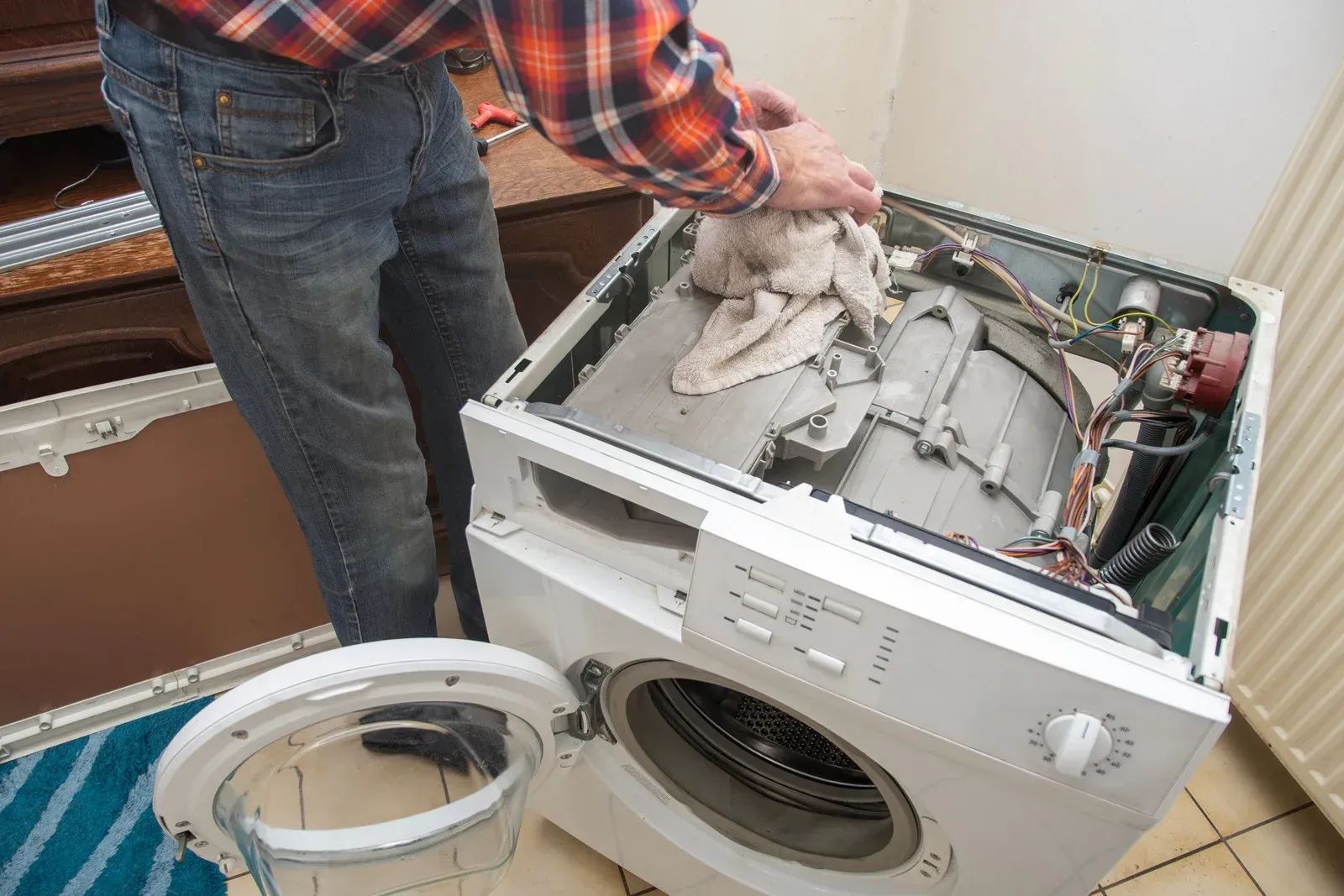
Laundry appliances are an essential part of daily life, handling the bulk of household cleaning efficiently and effectively. Whether it’s a high-capacity washing machine or a modern dryer, these machines face continuous wear and tear due to frequent use. Unfortunately, many users overlook the importance of regular maintenance, leading to reduced efficiency, costly repairs, and even shortened appliance lifespans. Neglecting basic care can also result in increased energy bills and potential safety hazards, such as electrical faults or water leaks. By paying attention to routine upkeep, homeowners can protect their investment while enjoying consistent, high-quality laundry results.
Maintaining washing machines and dryers is not solely about avoiding breakdowns; it’s about optimizing performance, safeguarding clothing, and ensuring reliable operation over time. Small, consistent actions, such as proper cleaning, timely inspections, and correct usage habits, can prevent major issues. Regular attention also helps detect minor problems before they escalate into expensive repairs, ensuring peace of mind and uninterrupted laundry cycles. This guide offers actionable insights for preserving laundry appliances, highlighting practical tips that can save money, improve efficiency, and extend the service life of machines by several years. By following evidence-based maintenance practices, it is possible to achieve peak appliance performance while minimizing downtime and repair costs, making everyday laundry chores smoother and more stress-free.
1. Regular Cleaning Practices
Cleaning the Drum and Exterior
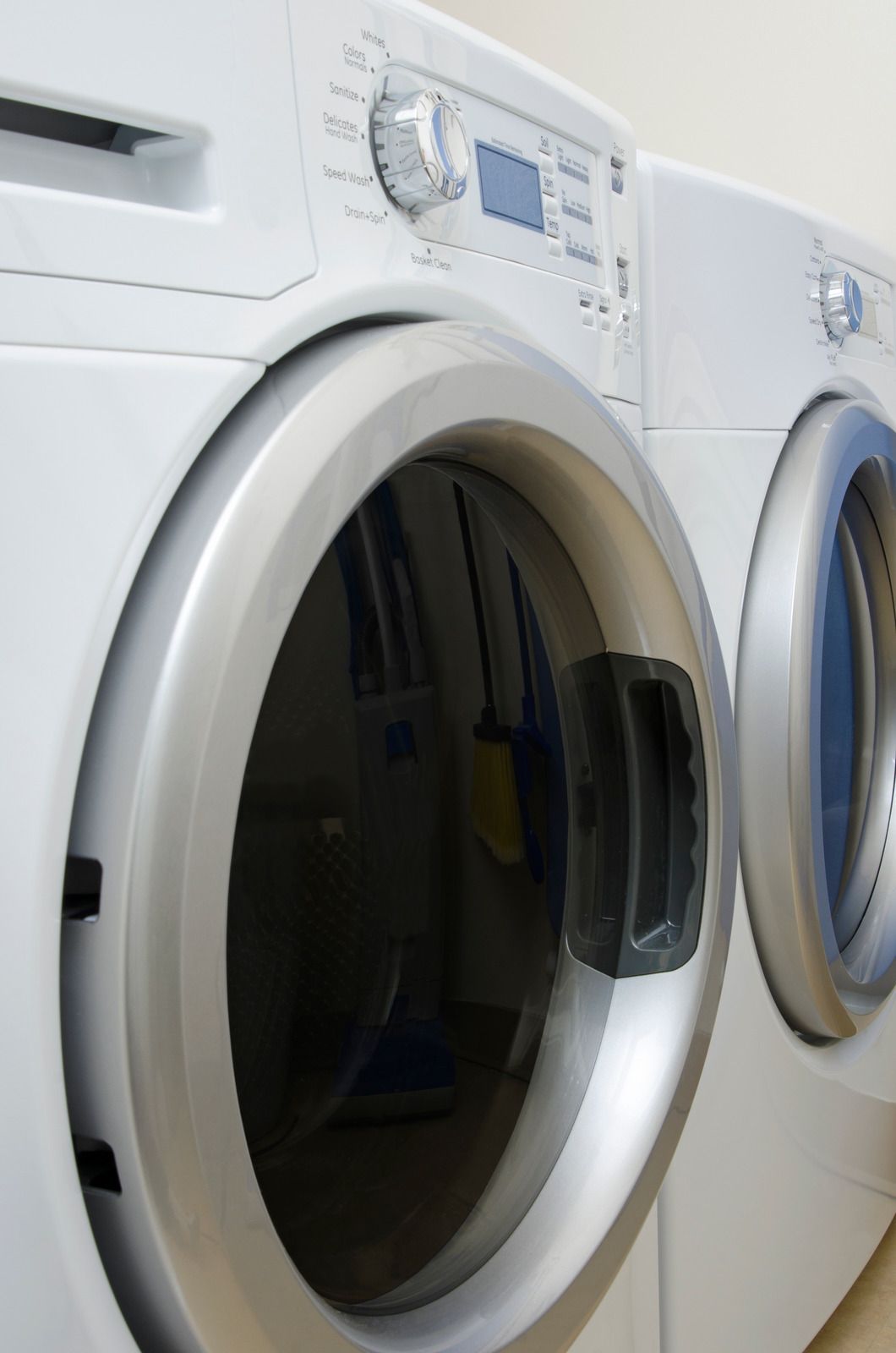
The drum of a washing machine often accumulates detergent residue, dirt, and fabric fibers over time. Regularly wiping the interior with a damp cloth or running a cleaning cycle using a washing machine cleaner removes buildup, preventing odors and bacteria growth. For dryers, dust and lint can settle on both the drum and exterior surfaces. Wiping these areas with a soft cloth ensures machines operate smoothly and avoids scratches or corrosion.
Maintaining Detergent Drawers and Filters
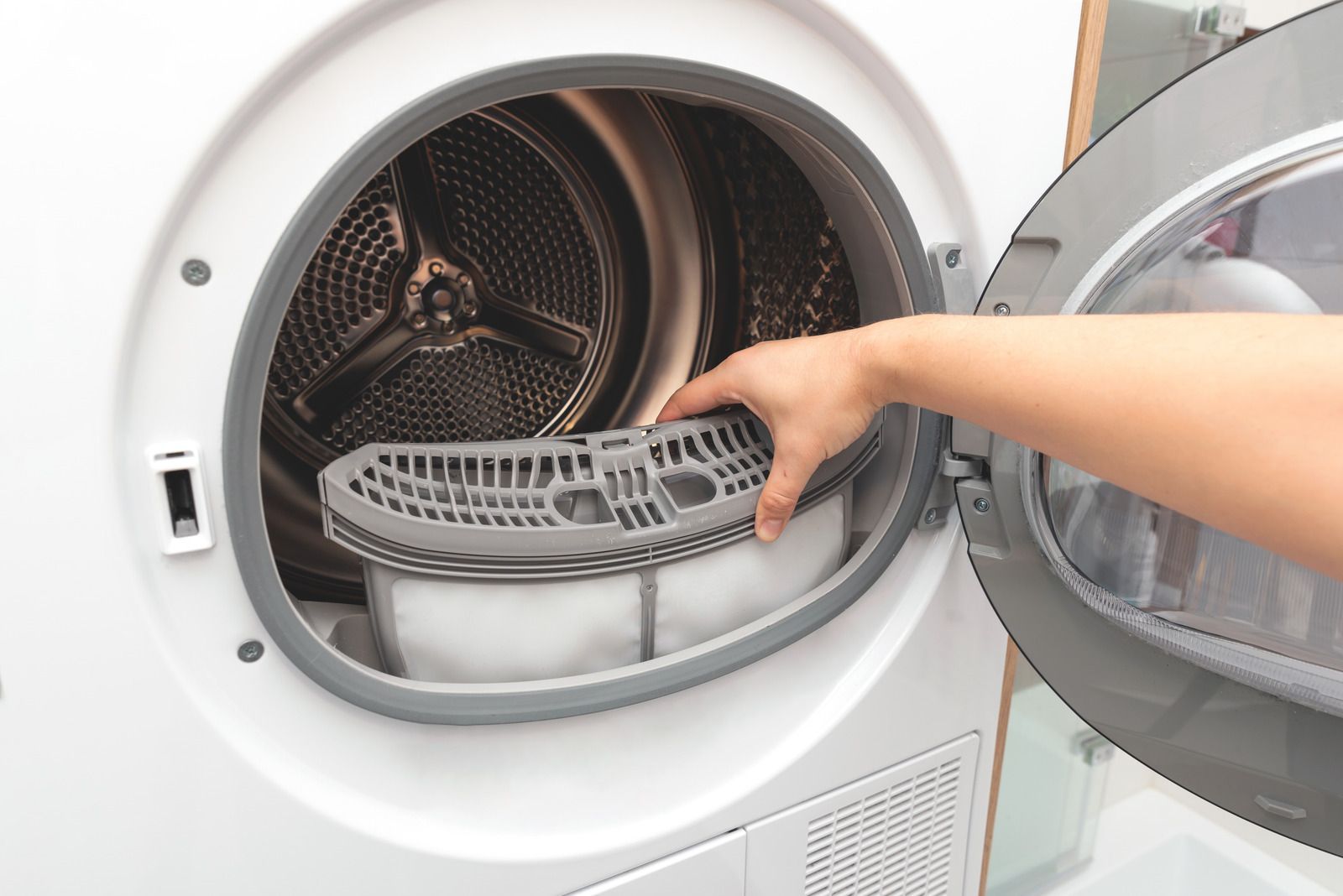
Detergent drawers in washers often retain soap residue and mold. Cleaning these components weekly prevents clogs and ensures detergent disperses evenly, improving wash quality. Dryer lint filters require consistent attention. Cleaning after every load improves airflow, reduces fire risks, and enhances drying efficiency. Removing and washing filters with warm water monthly further prevents residue buildup that can impair performance.
Deep Cleaning Cycles
Many modern washing machines come with self-cleaning options. Running these cycles monthly with hot water and specialized cleaners prevents scale buildup and bacterial growth. For machines in areas with hard water, incorporating a water-softening additive during cleaning cycles reduces mineral deposits, extending the life of heating elements and pumps.
2. Proper Usage Habits
Avoid Overloading
Overloading machines is one of the most common causes of wear and tear. Excessive weight strains motors, bearings, and suspension systems in washers and dryers. Adhering to recommended load capacities ensures efficient cleaning and drying while reducing mechanical stress.
Use Appropriate Detergents
High-efficiency washers require low-sudsing detergents. Using standard detergents can lead to excessive foam, residue buildup, and clogged filters. Choosing the correct detergent prevents damage to internal components and maintains optimal wash performance.
Correct Cycle Selection
Selecting cycles appropriate for fabric type and soil level reduces unnecessary strain on appliances. Heavy-duty cycles for delicate fabrics can cause mechanical stress, while using short cycles for heavily soiled items may leave residue and require re-washing. Matching cycles to load requirements optimizes machine performance and conserves energy.
Temperature Management
Hot water can be effective for sanitizing clothes but may accelerate wear on machine components and fabrics. Alternating between warm and cold washes for routine loads minimizes damage while maintaining cleanliness. Similarly, using the correct dryer heat settings prevents overheating that can strain motors and shorten appliance life.
3. Preventive Maintenance
Inspect Hoses and Connections
Washing machine hoses are vulnerable to leaks and bursts. Inspecting hoses for cracks, bulges, or corrosion every few months helps detect issues early. Replacing hoses every 3–5 years or at the first sign of wear prevents water damage and avoids emergency repairs. Ensuring connections are tight and leak-free protects both the appliance and surrounding areas.
Check Electrical and Mechanical Components
Regularly monitoring plugs, power cords, and control panels for damage prevents short circuits and other electrical hazards. Listening for unusual noises during operation, such as grinding or excessive vibration, can indicate worn bearings or misaligned drums. Addressing minor mechanical issues promptly prevents more significant failures.
Lubrication and Moving Parts
Some washing machines and dryers benefit from periodic lubrication of moving parts. Consult manufacturer guidelines to determine if motors, bearings, or hinges require grease or oil. Proper lubrication reduces friction, prevents premature wear, and maintains smooth operation.
Leveling and Placement
Uneven placement causes vibrations, noise, and strain on suspension systems. Ensuring machines are level on stable surfaces reduces mechanical stress. Adjustable feet can be used to correct imbalance. Additionally, maintaining adequate space around machines improves airflow and prevents overheating.
4. Addressing Hard Water and Residue
Identifying Hard Water Effects
Hard water can cause limescale buildup on heating elements, valves, and pumps, reducing efficiency and increasing energy consumption. Regular inspection for white deposits inside the drum or on metal parts indicates the need for preventive measures.
Water Softeners and Descalers
Using water softeners or descaling products helps mitigate hard water damage. Monthly or quarterly treatments prevent mineral deposits, extending the lifespan of heating elements and ensuring consistent cleaning performance.
Detergent and Fabric Softener Management
Excessive detergent or fabric softener use contributes to residue buildup inside washers. Measuring detergents accurately and avoiding overuse ensures components remain clean and functional. Residue-free appliances also maintain washing quality and prevent odors.
5. Dryer-Specific Maintenance
Lint Removal and Venting
Dryer efficiency heavily depends on airflow. Cleaning the lint trap after every load is crucial. Additionally, inspecting and cleaning the vent ducts at least twice a year prevents blockages, reduces drying time, and minimizes fire hazards. Flexible vents should be replaced with rigid ducts where possible to enhance airflow.
Drum and Belt Inspection
The drum rotates on a belt connected to the motor. Inspecting belts for wear, cracks, or fraying ensures smooth operation and prevents sudden breakdowns. Listening for unusual noises can indicate belt or drum issues, prompting timely replacement before major damage occurs.
Moisture Sensor Cleaning
Modern dryers often include moisture sensors to optimize drying cycles. Residue from fabric softeners or lint can coat sensors, leading to inaccurate readings and over-drying. Cleaning sensors with a damp cloth ensures machines operate efficiently, saving energy and protecting fabrics.
6. Energy Efficiency and Long-Term Considerations
Optimizing Cycle Times
Using appropriate cycle lengths for laundry loads prevents overuse of motors and heating elements. Shorter cycles for lightly soiled items reduce mechanical strain and energy consumption, contributing to a longer appliance life.
Routine Professional Servicing
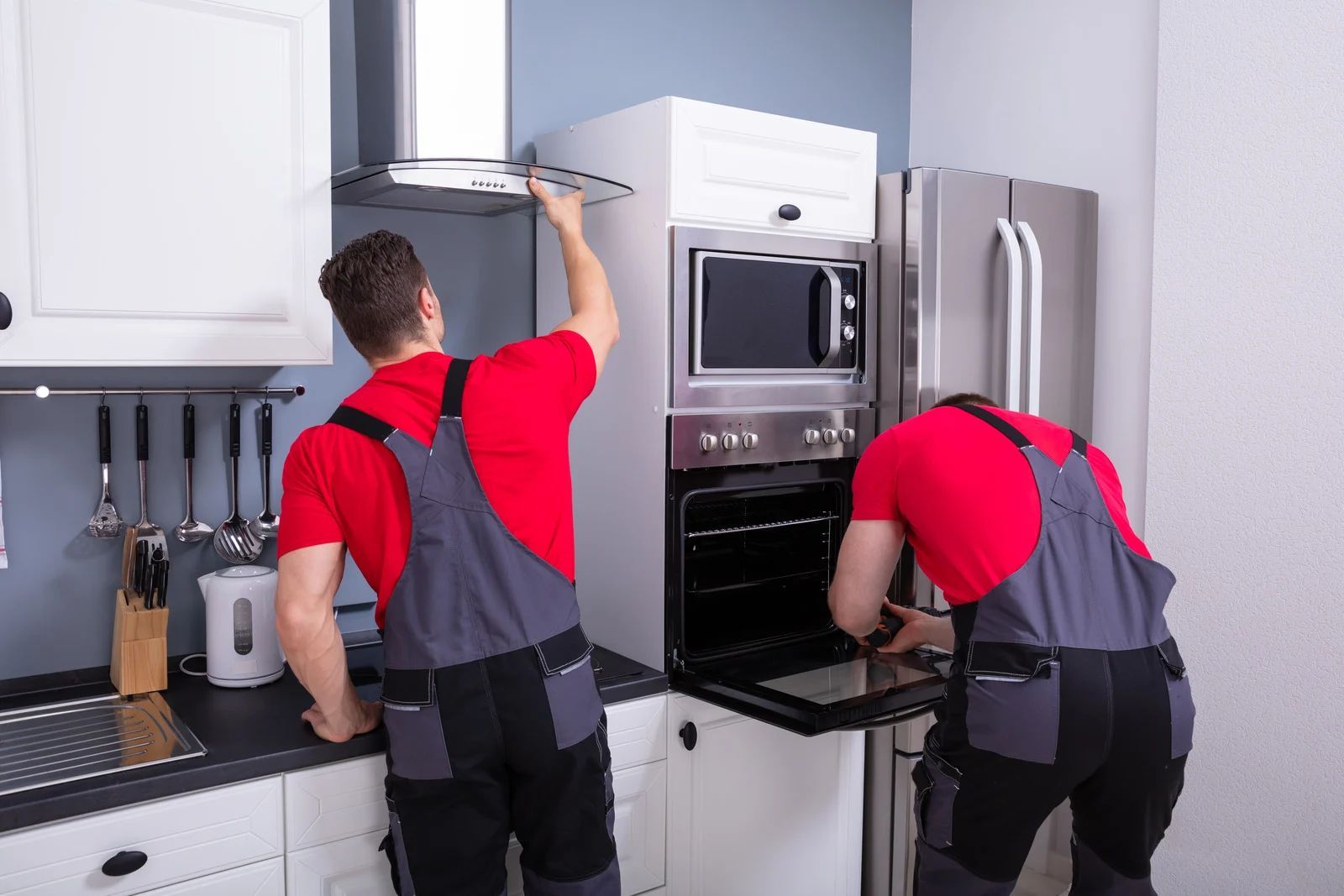
Scheduling periodic professional inspections identifies potential issues that are not visible during routine maintenance. Expert technicians can test electrical components, evaluate mechanical systems, and perform preventive servicing to extend machine longevity.
Tracking Usage Patterns
Monitoring usage frequency and load types helps anticipate maintenance needs. Heavy usage environments, such as large households, benefit from more frequent inspections and cleaning routines. Establishing a maintenance schedule tailored to usage ensures optimal appliance performance over time.
Expert Guidance for Reliable Laundry Machines
Following these maintenance practices consistently maximizes the lifespan and efficiency of laundry appliances. Proper cleaning, careful usage, preventive inspections, and attention to energy efficiency collectively prevent costly repairs, reduce downtime, and ensure machines continue performing at peak capacity for years. Real-world scenarios demonstrate that households adhering to routine maintenance experience fewer breakdowns, lower energy bills, and improved laundry quality. Conversely, neglecting these practices often leads to irreversible wear, higher repair costs, and shortened machine life.
By understanding the specific needs of washing machines and dryers, it is possible to tailor maintenance routines that align with manufacturer recommendations and daily usage patterns. Combining simple actions like drum cleaning, lint removal, and cycle optimization with periodic professional inspections creates a proactive maintenance strategy. Over time, this strategy not only preserves mechanical and electrical components but also contributes to energy efficiency, improved clothing care, and consistent appliance reliability.
Trusted Expert Insights for Long-Lasting Appliances
Extending the life of laundry appliances requires a combination of daily habits, preventive maintenance, and professional oversight. Emphasizing proper usage, routine cleaning, and inspection routines safeguards critical components like motors, belts, hoses, and sensors. Addressing issues like hard water deposits and fabric residue ensures appliances operate efficiently and reliably. Additionally, energy-conscious practices and regular monitoring prevent unnecessary strain on machines, contributing to long-term performance and cost savings.
For residents in Anaheim, California, AT Appliance Service Inc.
offers over 20
years of experience in appliance repair and maintenance. With a focus on professional, reliable service, our team provides expert guidance and hands-on support to keep laundry appliances running smoothly. From emergency repairs to preventive servicing, trust in our knowledge to identify issues early, recommend best practices, and implement solutions that enhance appliance lifespan. Partnering with AT Appliance Service Inc.
ensures machines remain efficient, safe, and fully functional, ultimately saving time, money, and stress. Committed to excellence and customer satisfaction, we prioritize practical, evidence-based maintenance strategies, empowering clients to enjoy dependable laundry appliances for years to come.