
Why Your Dryer Takes Too Long to Dry Clothes (And What It Means)
March 10, 2026
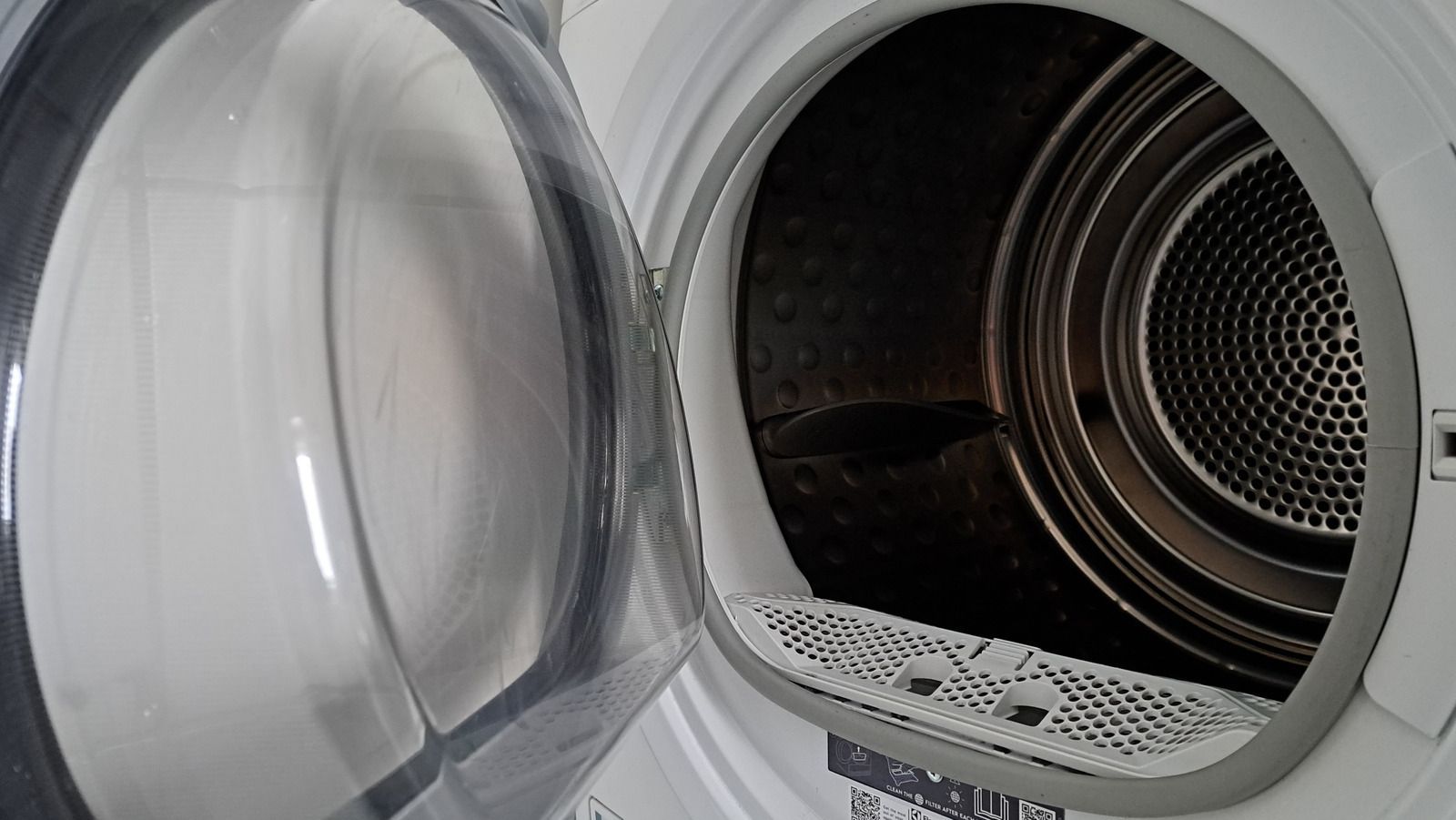
A dryer that takes too long to dry clothes is more than a household inconvenience; it is often a warning sign of deeper performance, safety, or efficiency issues. Many homeowners assume extended drying times are normal, especially with larger loads or heavier fabrics. In reality, a properly functioning dryer should complete most cycles within a predictable timeframe. When it does not, the appliance is usually compensating for restricted airflow, mechanical wear, or failing internal components. These issues quietly increase energy consumption, strain the machine, and shorten its usable life.
From an industry perspective, slow-drying dryers are one of the most common service complaints, yet also one of the most misunderstood. Prolonged cycles can signal anything from a simple maintenance oversight to a serious condition that elevates fire risk. Understanding why a dryer struggles to remove moisture efficiently helps homeowners make informed decisions about maintenance, repairs, and safe operation. This knowledge also prevents unnecessary replacement of an appliance that may still have years of service left. By examining the root causes, practical implications, and corrective steps associated with long drying times, this guide clarifies what your dryer’s performance is really telling you and why timely action matters.
Understanding Normal Dryer Performance
What “Normal” Drying Time Looks Like
Under standard conditions, most residential dryers should complete an average load of cotton clothing within 40 to 60 minutes. High-efficiency models may require slightly longer but compensate by consuming less energy and producing gentler heat. Cycles that consistently exceed 75 to 90 minutes indicate that dryer performance has fallen outside expected operational parameters and needs investigation.
Why Baselines Matter
Establishing a baseline for normal drying times helps homeowners detect early performance declines. Gradual increases in cycle length often go unnoticed until they cause frustration or inefficiency. These slow changes usually signal accumulating lint, reduced airflow, or mechanical wear rather than sudden failures. Monitoring patterns ensures timely maintenance before minor problems escalate.
Airflow Restrictions: The Most Common Culprit
Lint Buildup Beyond the Filter
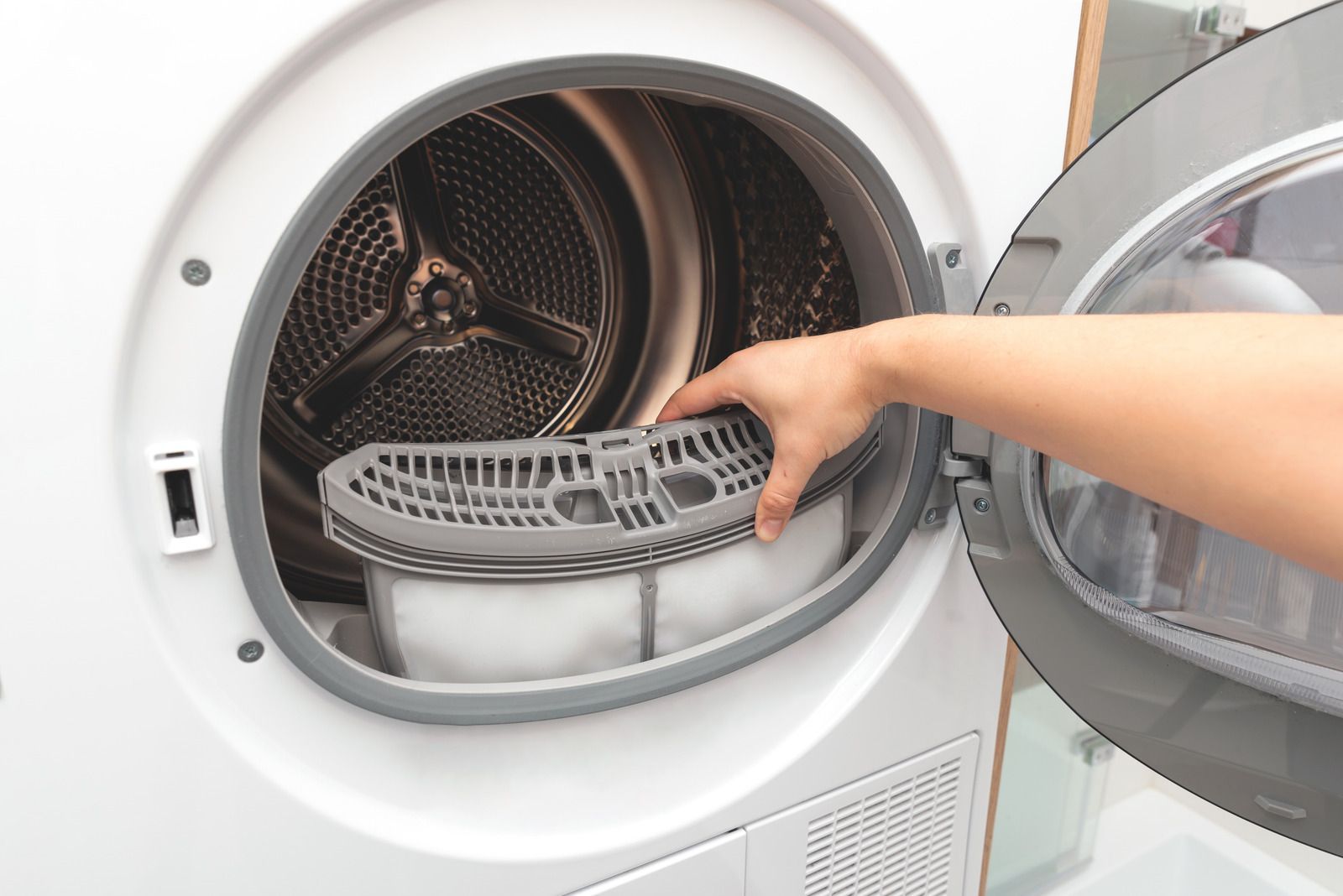
Cleaning the lint screen after each load is common advice, yet many homeowners overlook lint accumulation inside internal ducts or vent lines. Even a thin layer of lint within the exhaust vent restricts airflow, traps moist air inside the drum, and prolongs drying times. Regular vent cleaning significantly improves dryer efficiency and safety.
Vent Design and Installation Issues
Improper vent length, excessive bends, or crushed flexible ducts restrict air movement and force dryers to work harder. Poorly routed vents or unnecessary turns increase cycle duration, energy consumption, and component wear. Over time, these conditions can accelerate mechanical failure, reduce dryer lifespan, and contribute to higher utility costs, creating avoidable maintenance challenges for homeowners.
Safety and Efficiency Implications
Restricted airflow is not just an efficiency problem; it also creates a major fire hazard. When hot air cannot escape properly, internal temperatures rise dangerously, increasing the risk of ignition. Longer drying times are often the first visible sign that airflow is restricted, providing homeowners with a critical early warning to prevent both safety and performance issues.
Heating System Problems
Partial Heat Failure
Dryers producing some heat but failing to remove moisture effectively may continue running without error codes. Common causes include worn heating elements, failing gas igniters, or weak thermal sensors. Moisture remains in clothing, and cycles extend unnecessarily. Identifying partial heat failure is crucial because it prevents energy waste, preserves clothes, and avoids unnecessary strain on the appliance.
Inconsistent Temperature Control
Modern dryers rely on thermostats and control boards to regulate heat output. Malfunctioning components can cause cycles to run with lukewarm or inconsistent temperatures, prolonging drying times. Clothes may feel warm but remain damp at cycle end, leading homeowners to misdiagnose the problem. Proper temperature regulation is essential to ensure energy efficiency, fabric care, and predictable cycle completion.
Real-World Impact
Clothes that remain damp despite warmth usually indicate insufficient heat rather than airflow restriction. Misidentifying this issue can lead to ineffective troubleshooting. Correct diagnosis requires inspecting heating elements, gas igniters, and thermal sensors. Timely repair restores drying efficiency, reduces energy waste, and prolongs appliance life. Homeowners benefit from understanding the difference between heat problems and ventilation issues.
Moisture Sensors and Control System Errors
How Moisture Sensors Work
Many modern dryers use moisture sensors to detect residual dampness in clothing. Sensors signal the control board to stop the cycle once clothes are dry. However, fabric softener or detergent residue can coat the sensors, producing inaccurate readings. This can result in longer drying times and unnecessary energy consumption, emphasizing the importance of periodic sensor cleaning.
False Readings and Extended Cycles
Dirty or malfunctioning sensors may continuously detect moisture, causing cycles to extend unnecessarily. This wastes energy, increases utility bills, and exposes fabrics to excessive heat, accelerating wear. Regular maintenance and sensor cleaning prevent these issues and ensure accurate moisture detection. Properly functioning sensors maintain cycle efficiency while protecting both clothes and the dryer itself.
Best Practices for Accuracy
To maintain accurate moisture detection, periodically clean sensor bars with rubbing alcohol and avoid using excessive fabric softener. Ignoring these maintenance steps can create the impression of inefficiency, when the dryer itself may be operating correctly. Preventive maintenance ensures sensors reliably terminate cycles on time, promoting consistent results, energy efficiency, and longer appliance lifespan.
Mechanical Wear and Load Management
Drum and Motor Strain
Worn drum rollers, belts, or motors reduce rotation efficiency and impede proper tumbling. Ineffective tumbling diminishes heat distribution and airflow, increasing drying times. Timely replacement of worn components maintains efficiency, protects fabrics, and reduces overall appliance strain. Ignoring mechanical wear not only prolongs cycles but also risks complete breakdown and higher repair costs.
Overloading and Fabric Choices
Overloading the dryer prevents sufficient air circulation and prolongs drying times. Mixing heavy fabrics, like towels, with lightweight items traps moisture unevenly, mimicking mechanical failure symptoms. Adjusting load sizes and separating fabrics according to weight improves airflow, reduces cycle length, and prevents unnecessary stress on components. Proper load management complements preventive maintenance strategies.
Operational Best Practices
Balanced loads and fabric-specific cycle selections optimize dryer efficiency. Recognizing the difference between user-related challenges and mechanical wear ensures correct troubleshooting. Following manufacturer guidelines for load size, cycle type, and regular maintenance minimizes long drying cycles, reduces energy consumption, and extends dryer lifespan. Educated operational habits complement timely repairs for best results.
Energy Costs and Long-Term Consequences
Hidden Utility Expenses
Extended drying cycles significantly increase electricity or gas consumption, raising household utility costs. Over time, these additional expenses can surpass the cost of professional servicing or minor repairs. Monitoring energy use and addressing prolonged cycles early ensures cost efficiency, reduces waste, and improves the overall sustainability of laundry operations.
Appliance Longevity
Dryers forced to operate longer per cycle experience accelerated wear, shortening their operational lifespan. Components like motors, belts, and heating elements degrade faster, increasing the risk of unexpected breakdowns. Timely inspections, maintenance, and repairs help preserve appliance longevity, ensuring reliable performance and reducing the frequency of costly replacements or emergency service calls.
Environmental Considerations
Inefficient dryers consume more energy than necessary, contributing to higher household carbon footprints. Addressing extended drying times reduces energy waste, promotes sustainability, and aligns with eco-friendly practices. Homeowners who monitor and maintain their appliances not only save money but also demonstrate environmental responsibility while maintaining optimal performance for everyday laundry needs.
When a dryer takes too long to dry clothes, it is rarely a harmless inconvenience. Extended cycles usually indicate airflow restrictions, heating inefficiencies, sensor malfunctions, or mechanical wear that worsen over time if left unaddressed. These issues affect more than convenience; they influence safety, energy consumption, fabric care, and appliance longevity. Understanding what normal dryer performance looks like allows homeowners to recognize early warning signs before minor problems escalate into costly repairs or hazards. Proper vent maintenance, mindful loading habits, and attention to performance changes are essential steps in preserving dryer efficiency. Addressing the root cause promptly not only restores reliable drying times but also protects the investment made in the appliance itself. Informed action ensures safer operation, lower utility costs, and consistent results with every load.
Experienced Technicians Safeguarding Efficient Home Laundry Systems
For homeowners seeking reliable guidance and lasting solutions, AT Appliance Service Inc. stands out as a trusted authority in appliance care. Based in Anaheim, California, the company brings 20 years of hands-on experience diagnosing and resolving dryer performance issues, including extended drying times, airflow restrictions, and heating system failures. This depth of experience means problems are identified accurately, not guessed at, saving customers time, money, and unnecessary stress.
With a strong focus on technical accuracy and safety, AT Appliance Service Inc. understands how small warning signs, such as longer cycles, often signal larger underlying concerns. Their approach emphasizes thorough inspection, clear explanations, and practical recommendations that align with manufacturer standards and real-world usage. Homeowners benefit from service that prioritizes long-term appliance reliability rather than temporary fixes.
By combining industry knowledge with a commitment to professional integrity, AT Appliance Service Inc.
has built a reputation for dependable service and informed problem-solving. When dryer performance begins to decline, working with an experienced provider ensures issues are corrected efficiently, safely, and with confidence in the results.